Finding Your Ground in Bangkok: A Quick Q&A with Dan Boyd
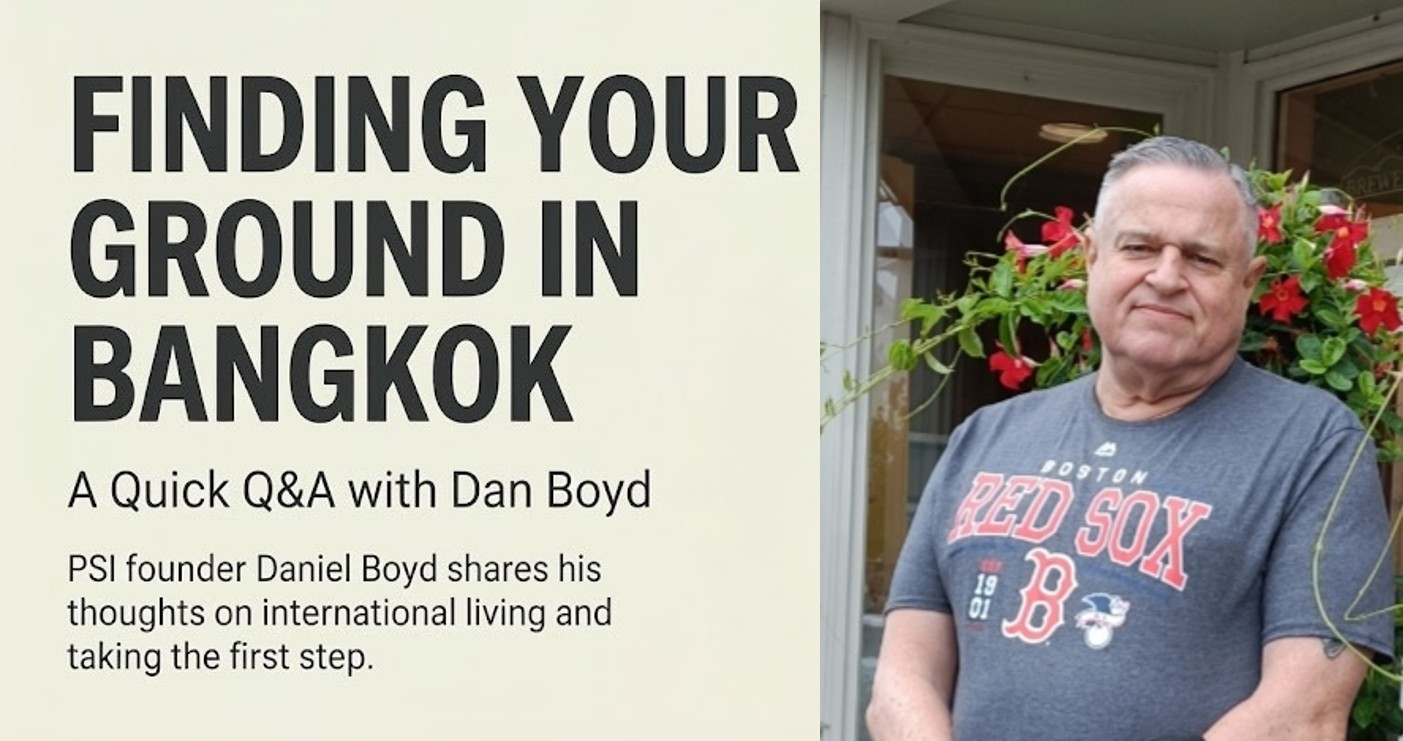
Living in a fast-paced city like Bangkok brings unique experiences—and unique challenges. Below, PSI founder Daniel Boyd shares his thoughts on international living, why space matters in therapy, and what it feels like to take that first step.
Q: How long have you lived and practiced counseling in Bangkok?
Dan Boyd: I’ve lived in Thailand for over 30 years and bring about 40 years of clinical experience to supporting clients here. I founded PSI back in 2002 to create a dedicated counseling space for both international residents and local Thais.
Q: How has PSI grown since those early days?
Dan Boyd: Over the last two decades, we’ve built a diverse team of Thai and international practitioners—all holding advanced degrees and specialized to the highest levels of professional expertise and ethics. But our core mission has never changed: providing warm, accessible care in a safe environment.
Q: What hidden emotional challenges do people often face living in an international city like Bangkok?
Dan Boyd: Bangkok has incredible energy, but living far from home often strips away your natural safety net. Whether you’re an expat, a returning Thai, or an international student, navigating culture shifts, workplace stress, or relationship changes without that familiar backing can feel isolating. Much of our work together is simply about helping you build a new sense of grounding right where you are.
Q: PSI feels more like a quiet home than a clinic. Why was the garden setting so important?
Dan Boyd: City life can bring a lot of sensory overloads. We intentionally chose a quiet home with a green garden corner rather than a cold, clinical office building with fluorescent lights. Surrounded by greenery, it gives your mind and body permission to naturally slow down, take a breath, and unwind before your conversation even starts.
Q: People can feel nervous about starting therapy. How do you approach sessions with clients?
Dan Boyd: Therapy should always move at your pace. It isn’t an interrogation or a lecture on what you “should” do. I view our sessions as a relaxed, collaborative space—like sitting down with a trusted guide who is there to listen, support, and explore things with you without any judgment. My clinical experience enables me to point in the right direction.
Q: What would you share with someone who is on the fence about reaching out?
Dan Boyd: Reaching out doesn’t mean something is wrong with you, or that you’re broken. It just means choosing not to carry everything on your own. You don’t have to figure it all out today—just taking that first small step to talk can make life feel a whole lot lighter.